The End of the “Budtender” or a New Era of Retail?

For years, the dispensary experience relied on the personal knowledge of the budtender. But as the market matures and product catalogs expand into the thousands, human memory has reached its limit. Enter “Agentic AI”—a new class of artificial intelligence that doesn’t just answer questions but acts as a proactive retail partner.

1. The Hyper-Personalized “Digital Concierge”

The biggest shift in 2026 is the move from general recommendations to “precision matching.” According to MJBizDaily, software providers like Sweed are already integrating AI into point-of-sale (POS) systems to recommend products based on a customer’s specific purchase history.

But we’ve moved beyond “if you liked this, try that.” Modern AI platforms now analyze genetic markers and individual biometrics to determine how THC and various terpenes will interact with a specific person’s endocannabinoid system. This turns a simple retail transaction into a legitimate tool for wellness and medicine.

2. Solving the “Empty Shelf” and “Dead Stock” Crisis

Retailers are using AI to solve the industry’s most persistent headache: inventory management. As noted by Cannabis Business Times, AI’s predictive analytics are now being used to simplify compliance procedures and automate reporting, but its real power lies in demand forecasting.

By analyzing local trends, seasonal shifts, and even real-time events, AI can predict exactly which flower strains or edible dosages will sell in a specific zip code. This prevents the “grey market” oversupply issue and ensures that customers never leave empty-handed because their favorite product is out of stock.

3. Retail Intelligence: Beyond the Transaction

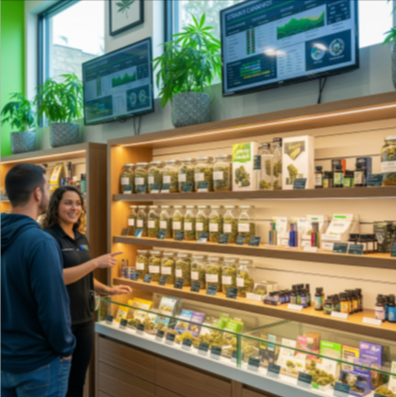
Dispensaries are also becoming “smarter” in their physical design. Using AI-driven video analytics and heatmap tools, owners can see exactly where customers linger and which displays are ignored.

This data-driven approach allows for:

  • Heatmap Analytics: Optimizing store layouts to increase “basket size.”

  • Targeted Marketing: Instead of “spray and pray” emails, AI tools like Alpine IQ allow dispensaries to send hyper-targeted offers—like a discount on a specific concentrate for a customer who hasn’t visited in 14 days.

  • Compliant Creativity: AI helps marketers brainstorm creative strategies that stay within the strict 21+ regulations, ensuring that content is engaging but always compliant with state laws.

The Human Element in a Machine World

Despite the rise of automation, the consensus among industry leaders is clear: AI is a tool, not a replacement. As Josefine Nowitz of Cannabis Creative Group told MJBizDaily, “AI is like the internet when it first started—it’s a game-changer. But at the end of the day, it’s the people behind the prompts that make the difference.”

In 2026, the best budtenders aren’t the ones who know the most strains; they are the ones who know how to use AI to find the right strain for the person standing in front of them.


Preparing for the “Schedule III” Shift: What It Means for Your Brand Voice

As the cannabis industry approaches 2026, the marketing landscape is undergoing its most significant transformation since the dawn of legalization. The potential federal shift to Schedule III is more than just a legal milestone; it is the catalyst for a “Great Normalization” where cannabis brands must finally shed the counter-culture aesthetic in favor of a sophisticated, wellness-first approach.

Here is an exploration of how to pivot your brand voice for this new era.

From “Stoner” Tropes to Functional Wellness

For decades, cannabis marketing relied on a specific set of visual cues: neon greens, trippy patterns, and a heavy focus on “getting high.” However, as we move into 2026, the consumer profile has shifted. According to mg Magazine’s 2026 Cannabis Marketing Playbook, 64% of consumers now cite relaxation—not intoxication—as their primary motivation for use.

To reach this audience, brand voices are shifting toward “functional outcomes.” Instead of marketing a strain’s THC percentage, successful brands are focusing on the benefit:

  • Sleep: “Restorative nights without the morning fog.”

  • Focus: “Clarity for your creative flow.”

  • Social: “The alcohol-free alternative for your next dinner party.”

By adopting a tone that mirrors the skincare or high-end supplement industries, brands can build trust with the “sober-curious” and wellness-focused demographics that now dominate the market.

Professionalization in the Face of Compliance

With Schedule III on the horizon, the scrutiny on cannabis advertising has never been higher. Marketing in 2026 requires a “compliance-first” mindset that doesn’t sacrifice creativity.

As detailed in Cannabis Advertising Compliance 2026: Strategies That Scale, brands must navigate a complex web of state-by-state regulations while preparing for potential federal oversight. This means:

  1. Strict Age-Gating: Moving beyond simple “Yes/No” pop-ups to robust data-driven verification.

  2. Avoidance of “Unsubstantiated Claims”: While we lean into wellness, brands must be careful not to make medical claims that could draw the ire of the FDA.

  3. Visual Maturity: Compliance often dictates avoiding anything that could appeal to minors, which conveniently aligns with the shift toward minimalist, adult-oriented branding.

The Power of the “Founder’s Story”

In a maturing market, commoditization is the enemy. When every dispensary carries similar gummies and cartridges, why should a consumer choose yours?

The answer in 2026 is authenticity. Modern consumers—particularly Gen Z and Millennials—are increasingly loyal to founder-led brands. They want to know the “who” and “why” behind the product. Whether it’s a commitment to regenerative farming, social equity, or a personal journey with chronic pain, weaving these narratives into your marketing creates an emotional moat that a larger, corporate competitor cannot easily cross.

Summary: The 2026 Brand Checklist

To stay ahead of the curve, your 2026 marketing strategy should prioritize:

  • Education over Potency: Focus on terpenes and minor cannabinoids (CBN, CBG) rather than just THC.

  • Lifestyle Integration: Position cannabis as a tool for a better life, not a departure from it.

  • Compliant Creativity: Use the links above to ensure your scaling strategies don’t run afoul of evolving state and federal standards.

The brands that survive the Schedule III transition won’t just be the ones with the best product; they will be the ones that have mastered the art of being a trusted, professional, and essential part of the modern consumer’s daily ritual.


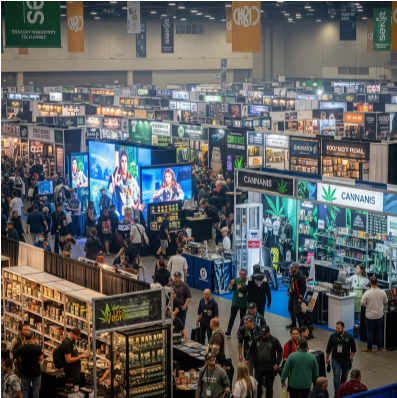
Aloha & Advocacy: What to Expect at the 2026 Hawaii Cannabis Expo

The 9th Annual Hawaii Cannabis Expo: Your Ultimate Guide

The Hawaii Cannabis Expo is more than just a convention; it is the heartbeat of the local cannabis movement. As the islands move closer to new legislative milestones, this year’s event at the Neal S. Blaisdell Exhibition Hall serves as a vital hub for education, advocacy, and industry innovation.


📍 Event at a Glance

Detail Information
Dates January 30 – February 1, 2026
Location Neal S. Blaisdell Exhibition Hall, Honolulu
Best For Patients, home-growers, and industry entrepreneurs
Entry Open to the public (No Medical Card required to enter)

🚀 High-Level Highlights

  • Master the Grow: Whether you are a novice or a seasoned “green thumb,” attend workshops focused on Hawaii’s unique climate, soil health, and pest management.

  • Expert Keynotes: Hear from doctors, legislators, and local advocates about the future of adult-use legalization and how to maximize the benefits of the 329 Medical Registry.

  • The Expo Floor: Discover the latest in extraction tech, sustainable packaging, and artisanal glass. It’s the best place to see the tools of the trade up close before you buy.

  • Networking: Connect with the people behind Hawaii’s dispensaries and advocacy groups to learn how you can get involved in the local movement.


💡 Pro-Tips for Your Visit

  • Arrive Early: The Blaisdell parking lot fills up fast, especially on Saturday.

  • Stay Legal: Remember, the expo is an educational event. No cannabis sales or onsite consumption are permitted.

  • Check the Schedule: Seminar times are often released just days before the event. Keep the official Hawaii Cannabis Expo site bookmarked on your phone for real-time updates.


🌺 The Bottom Line: Why You Can’t Miss It

In Hawaii, cannabis is more than a commodity—it is a community. This expo represents a unique intersection of ancient botanical wisdom and modern medical science, all wrapped in the spirit of Aloha. Whether you are looking to refine your cultivation skills, seek relief through medical education, or simply want to support the push for sensible reform, you’ll find your “ohana” here. Don’t just watch the industry grow from the sidelines; come be a part of the conversation that is shaping the future of the islands.


psilocybin mushrooms

Navigating Digital Marketing for the Psilocybin Space: Growth Strategies for a Psychedelic Renaissance

In recent years, psilocybin has emerged from the underground and into the mainstream consciousness. Once relegated to the fringes of counterculture, psilocybin mushrooms are now being reevaluated by scientists, policymakers, and entrepreneurs alike. With legalization efforts gaining traction in places like Oregon, Colorado, and various cities across the U.S., an entirely new market is taking shape—one that blends e-commerce, wellness, and cutting-edge neuroscience.

As the space evolves, so too does the opportunity to create sustainable businesses around psilocybin products and services. However, anyone attempting to build a brand in this burgeoning market quickly realizes that traditional advertising and marketing methods simply don’t apply. Between federal restrictions, tech platform policies, and public perception, building a digital presence for psilocybin is a delicate balancing act.

That’s where a strategic, multi-layered digital marketing approach becomes essential. If you’re a psilocybin business owner, e-commerce retailer, or supplier, understanding how to navigate this landscape is critical to long-term growth—and choosing the right digital marketing agency can be the difference between stagnation and success.

This article explores the key pillars of digital marketing for the psilocybin industry and offers insight into how your brand can thrive in this restricted but rapidly expanding sector.


The Legal & Regulatory Backdrop

Before diving into strategy, it’s important to acknowledge the legal backdrop that shapes everything in the psilocybin world. While public sentiment is shifting and decriminalization is spreading, psilocybin remains a Schedule I substance at the federal level. That means marketing efforts need to be not only creative, but also deeply compliant. Businesses in this space must walk a fine line—educating without making medical claims, engaging customers without promoting misuse, and growing awareness without violating platform rules.

This complex regulatory framework limits access to many mainstream advertising channels. Google Ads, Meta platforms, Amazon, and many payment processors maintain strict prohibitions against promoting psilocybin content, even in decriminalized regions. As a result, brand visibility hinges on non-traditional, organic, and community-based approaches that require skillful planning and ongoing adaptability.


Search Engine Optimization: The Front Line of Visibility

One of the most viable and effective marketing channels in the psilocybin space is Search Engine Optimization (SEO). In an industry where paid media is nearly off-limits, SEO allows brands to meet users exactly where they are—on Google, asking questions and seeking education. Whether a consumer is searching for “how to microdose psilocybin,” “best psilocybin retreats,” or “legal shrooms in Colorado,” these are high-intent queries that signal curiosity, interest, and potential conversion.

For psilocybin businesses, investing in an SEO-first strategy means optimizing your website with carefully chosen keywords, building educational and legally compliant blog content, and improving your technical performance to rank well in organic results. Done correctly, SEO not only drives traffic—it builds trust and positions your brand as a credible voice in a sea of misinformation.

Search volume for psilocybin-related terms has steadily risen year over year, signaling a sustained interest from consumers across demographics. Smart companies are capturing that interest by being early adopters of organic search strategies tailored specifically to the psychedelic space.


Content Marketing: Educate, Don’t Just Sell

In the world of psilocybin marketing, content is not just a strategy—it’s a necessity. Because this space is heavily scrutinized, your brand needs to go beyond pushing product. It must serve as a responsible educator, offering accurate information that fosters curiosity and builds informed communities.

Content marketing can take many forms: long-form blogs about psilocybin history and use cases, microdosing guides, explainer videos on decriminalization laws, or email series diving into trip preparation and integration. This type of content not only builds SEO equity—it establishes your business as a thought leader in an industry still fighting for legitimacy.

But here’s the key: all content must be deeply compliant. That means no exaggerated claims, no medical promises, and no glamorization of use. Instead, it’s about providing value, context, and responsible narratives. This educational-first approach resonates with the modern psilocybin consumer—one who is mindful, inquisitive, and selective about where they spend their money.


Social Media & Community Engagement: Play the Long Game

It’s no secret that Meta, TikTok, and YouTube have strict rules against psychedelic content, especially anything that could be interpreted as promoting illegal activity. Still, social media can’t be ignored—it remains a vital tool for brand-building, community engagement, and storytelling.

Psilocybin brands can and should have a presence on these platforms, even if they can’t advertise or link directly to products. The focus should shift from promotion to education, culture, and community. Share news articles, legal updates, behind-the-scenes content, and responsible discussions about mental health and plant medicine.

Success on social media in this space is less about sales and more about trust-building. The goal is to create a tribe of informed, passionate followers who share your values and amplify your message. This approach requires patience, consistency, and an eye for nuance—but it pays off in brand equity over time.


Email Marketing: The Most Powerful Tool You Control

In a landscape where most platforms have built-in restrictions, email marketing is the most reliable and scalable tool you have full ownership over. It’s a direct line to your customers—one that’s permission-based, customizable, and not subject to algorithm changes or shadow bans.

For psilocybin businesses, email marketing is crucial for everything from product drops and event announcements to education and onboarding sequences. It’s the ideal format to nurture leads, deepen engagement, and drive repeat conversions.

Of course, choosing the right email provider is important. Many platforms prohibit accounts associated with “controlled substances,” even if the product is legal in your jurisdiction. That’s why working with a digital marketing agency that knows which tools are psilocybin-friendly can save you time, frustration, and lost revenue.


Influencers, Podcasts, & Thought Leaders: Organic Advocacy

With paid reach largely unavailable, many psilocybin brands are turning to influencer partnerships and podcast sponsorships to amplify their message. The wellness, biohacking, and alternative medicine communities are filled with trusted voices who speak directly to curious and open-minded audiences.

Strategic partnerships with these creators can generate awareness, traffic, and word-of-mouth buzz—especially when approached with authenticity and shared values. Whether it’s sponsoring a popular psychedelic podcast or collaborating with a microdosing coach on Instagram, influencer marketing is a powerful tool for growth in the psilocybin space.

It also offers something that few other channels do in this industry: storytelling. Influencers humanize your brand, add legitimacy, and can introduce your products or services in a way that feels organic—not transactional.


Conversion Optimization & Compliance-First Web Design

In the psilocybin market, you might only get one shot to make an impression. With traffic being hard-earned and policies being restrictive, your website needs to be as effective and compliant as possible. That means fast load times, intuitive navigation, responsible language, and compelling product storytelling.

Because you may be limited in how you drive traffic, your site must be engineered to convert. Every page should have a clear call to action, whether it’s subscribing to your newsletter, downloading a guide, or purchasing a product (where legally permitted). Every click matters.

Your legal disclaimers, sourcing information, and compliance protocols should be easy to find. Transparency goes a long way in this industry—not just with regulators, but with consumers who care about ethics, sustainability, and safety.

A psilocybin website isn’t just a storefront. It’s a hub of education, trust, and brand identity.


Analytics & Measurement: What Gets Measured Grows

Digital marketing in the psilocybin space isn’t about chasing virality. It’s about long-term, sustainable growth built on data and iteration. That’s why analytics should be at the core of your marketing strategy. Tracking organic traffic, keyword performance, email engagement, and customer behavior gives you the insight you need to refine and optimize over time.

The best psilocybin businesses treat growth as a process, not a sprint. They test, learn, adapt, and measure their progress against realistic goals. In a space where the rules are always shifting, flexibility and data-informed decisions are your best allies.


Why Psilocybin Brands Need a Specialized Digital Marketing Agency

Marketing in the psilocybin space is unlike anything else. It’s not just about selling products—it’s about navigating legal ambiguity, overcoming censorship, educating ethically, and building a movement. Generalist agencies, even those experienced in CBD or cannabis, may lack the nuanced understanding required to thrive here.

That’s where Seedless Media comes in.

Seedless Media is a full-service digital marketing agency specializing in emerging industries with regulatory complexity. As a trusted partner for psilocybin brands, CBD retailers, kratom companies, and dispensaries across the United States, Seedless Media brings unparalleled experience in navigating platform policies, building compliant strategies, and driving measurable growth through an omnichannel approach.

From SEO and email marketing to influencer strategy and CRO, we help visionary brands in the psilocybin space scale responsibly—and successfully. Whether you’re launching an e-commerce store, running a retreat program, or supplying therapeutic-grade products, Seedless Media is your go-to partner for expert-level psilocybin marketing that actually works.


Final Thoughts

The psilocybin industry is in the early stages of what promises to be a major cultural and economic shift. For businesses brave enough to lead the way, the opportunities are enormous—but only if they’re matched with smart, ethical, and strategic digital marketing.

If you’re looking to grow your presence in the world of psilocybin mushrooms, you need more than a marketing vendor—you need a long-term partner who understands the challenges, respects the mission, and knows how to scale your business without compromise.

Seedless Media is that partner.

Let’s build the future of psilocybin together—one campaign, one conversation, and one conscious brand at a time.


kratom marketing companies

Unlocking Growth: Digital Marketing Strategies for the Kratom Industry

How kratom brands can stand out in a restrictive but growing marketplace

The kratom industry is one of the fastest-growing sectors in the herbal supplement space, attracting consumers seeking natural alternatives for energy, focus, pain relief, and mood enhancement. But with increased consumer interest comes increased scrutiny. Unlike mainstream wellness products, kratom operates in a regulatory gray zone — one that significantly restricts traditional marketing methods. Google Ads, Facebook Ads, and other popular paid media channels have strict rules or outright bans on kratom-related content, making digital marketing for kratom a niche challenge. That’s where a well-planned, omnichannel strategy becomes not just helpful, but essential.

For kratom store owners, online sellers, and bulk suppliers alike, building brand awareness and driving consistent growth requires more than just a product catalog and a website. You need a custom digital marketing approach tailored to your unique market, limitations, and audience. In this article, we’ll break down how effective digital marketing works in the kratom space and why partnering with the right kratom marketing agency can make all the difference.


The Challenge: Marketing Kratom in a Restricted Digital Environment

Kratom brands face an uphill battle when it comes to visibility. Unlike CBD or THC — which have found varying degrees of acceptance across advertising platforms — kratom remains largely restricted across the board. You can’t run a typical paid Google Ads campaign. Social media ads are off the table. Even email providers and payment processors might raise red flags.

These constraints mean kratom businesses must operate in a more creative, strategic way — using organic marketing, SEO, influencer collaborations, community building, and compliant content to generate interest, earn trust, and drive conversions. The challenge, then, becomes how to reach potential customers without relying on the go-to tactics of mainstream DTC brands.

This is exactly where digital marketing for kratom diverges from the norm — and where opportunity exists for brands that are willing to get strategic.


SEO: The Cornerstone of Kratom Digital Marketing

In a landscape where paid ads are restricted, Search Engine Optimization (SEO) becomes one of the most powerful tools in your arsenal. Kratom users tend to be highly engaged, curious, and informed — often turning to Google to learn more about strains, effects, dosage, and where to buy.

For kratom store owners and wholesalers, this is a golden opportunity. Ranking well for high-intent search terms like “buy kratom near me,” “best kratom strains,” or “kratom powder for sale” can deliver consistent organic traffic from people who are actively looking to make a purchase.

But SEO isn’t just about keywords. It’s about creating a trustworthy and educational website that search engines — and more importantly, users — can rely on. That means publishing rich blog content, optimizing product pages, building backlinks, ensuring mobile usability, and staying compliant with your language (avoiding medical claims, for instance).

An experienced digital marketing company with expertise in the kratom space will know how to walk this fine line between visibility and compliance.


Content Marketing: Build Trust, Build Authority

Educational content isn’t just helpful — it’s essential. In a regulated industry like kratom, content marketing does more than drive traffic. It positions your brand as a trustworthy, authoritative source of knowledge in a space filled with misinformation and stigma.

A strong kratom content strategy might include:

  • In-depth blog posts about kratom strains, origins, and use cases

  • Explainers on legality and safety

  • Interviews with community advocates or researchers

  • News and trend analysis for the herbal supplement space

This kind of content not only boosts SEO — it also builds long-term trust. Consumers are more likely to buy from a brand that invests in education and transparency. And the more value you offer upfront, the more likely customers are to return and refer others.

By producing thoughtful, compliant content, kratom companies can elevate their brand while navigating the advertising restrictions that limit their competitors.


Email & SMS Marketing: Own Your Audience

When you can’t advertise on mainstream platforms, it becomes even more important to own your channels of communication. Email and SMS marketing — when done right — are powerful tools for kratom businesses to nurture relationships, drive repeat purchases, and launch new products without relying on external platforms.

A well-built email list is an asset you control. You can segment your audience based on interests, behaviors, and purchase history, sending tailored messages that drive action. Whether it’s educational emails, seasonal promotions, loyalty offers, or restock alerts, email marketing offers an incredible ROI — especially in an industry where customer trust is crucial.

The key is to use platforms that are kratom-friendly and to stay compliant with language and claims. This is another area where working with a specialized kratom advertising firm makes a difference — knowing which tools to use and how to use them without triggering bans or spam filters.


Influencer Marketing & UGC: Word-of-Mouth at Scale

Kratom consumers often discover new products through personal networks, Reddit forums, YouTube reviews, and niche influencers. Unlike traditional endorsements, these platforms offer a raw, honest space for discovery — and smart kratom brands are tapping into this trend.

Influencer marketing and user-generated content (UGC) are uniquely suited to the kratom space because they build social proof and credibility without needing a paid advertising infrastructure. Whether it’s through micro-influencers on Instagram or educational TikTok creators who explain kratom’s benefits, these voices resonate more authentically than a banner ad ever could.

Partnering with aligned voices in the wellness, fitness, or alternative medicine communities can help you reach new customers, reinforce your legitimacy, and drive conversions in a way that feels organic and trustworthy.


Conversion Optimization & Web Design: Every Click Counts

With traffic being harder to acquire, you need to make the most of every visitor that lands on your site. That’s why conversion rate optimization (CRO) is essential. It’s not enough to get people to your store — you need to keep them there, convince them to trust your brand, and make the checkout process seamless.

A strong kratom eCommerce site should feature:

  • Fast load times and responsive mobile design

  • Clear product descriptions with transparent sourcing

  • Educational content embedded alongside products

  • Prominent reviews and testimonials

  • Easy navigation and frictionless checkout

Your website is the center of your digital strategy — every piece of content, SEO effort, or influencer campaign should point users back to a site that converts. If your website doesn’t meet modern standards or inspire confidence, your growth will be capped — no matter how good your product is.


Reputation Management: Building Consumer Confidence

In an industry with polarized perceptions, reputation matters. Negative reviews, outdated articles, or lack of credible information can all scare off potential customers. That’s why active reputation management — including review generation, press placements, and brand storytelling — is a crucial part of digital marketing for kratom.

You want to control your narrative before someone else does.

This includes optimizing your Google Business Profile (where permitted), collecting verified reviews through post-purchase automations, and working with media partners to earn features in kratom-friendly publications. These third-party validations help build consumer confidence and insulate your brand against misinformation or unfair scrutiny.


Analytics & Growth Tracking: What Gets Measured Gets Improved

In any industry, digital marketing should be data-driven. But in the kratom space, where every strategy must be customized and compliant, it’s especially important to track what’s working and what’s not. Using tools like Google Analytics, Shopify data, and email engagement metrics, you can continuously improve your strategy based on real insights — not guesswork.

Which blogs are driving conversions? Which email subject lines perform best? Which influencers are delivering actual ROI? These are the questions that an experienced kratom marketing agency helps you answer with confidence.

Why Work with a Specialized Kratom Marketing Agency?

The kratom industry isn’t like other eCommerce verticals. Success here requires deep industry knowledge, agility with platform limitations, and an understanding of consumer behavior in a legally complex space. A generalist agency won’t cut it.

That’s where Seedless Media comes in.

As a full-service digital marketing company serving kratom brands across the United States, Seedless Media brings a proven track record of helping kratom stores, online retailers, and wholesalers grow their business through a strategic, compliant, and omnichannel approach. From SEO and content development to email automation, influencer outreach, and design, our team knows what works in this space — because we’ve done it.

We understand the pain points: advertising restrictions, payment processor limitations, and shifting legal language. But we also understand the opportunities: a passionate customer base, high repeat purchase rates, and a rapidly expanding market.

Whether you’re launching a new kratom brand or looking to scale your online store, Seedless Media is the kratom advertising firm that can take your business to the next level — safely, strategically, and successfully.


Final Thoughts

Digital marketing for kratom is complex — but it’s far from impossible. With the right mix of SEO, content, email, influencer, and conversion strategies, kratom businesses can build lasting brands even in the face of regulatory headwinds.

The key is knowing how to do it — and who to trust.

If you’re looking for a partner that understands the nuances of the kratom market and knows how to build sustainable growth through smart, compliant strategies, Seedless Media is the kratom marketing agency for you.

Let’s grow your kratom business — one click, one customer, and one conversion at a time.


Creative Cannabis Display Advertising: Capturing Attention and Driving Conversions

In today’s competitive cannabis market, cannabis display advertising has become an essential tool for dispensaries and cannabis brands aiming to increase visibility and drive conversions. Unlike search ads, which target users based on their intent, display ads focus on grabbing the attention of potential customers through visually appealing banners, images, and videos. By crafting creative and engaging display ads, cannabis brands can not only capture attention but also encourage action. Here’s how you can master creative cannabis display advertising to boost your ROI.

Understanding Display Advertising in the Cannabis Industry

Display ads are a visual form of online advertising that appears on various websites, apps, and platforms. These ads typically consist of banners, sidebars, or pop-ups that feature eye-catching images and concise messaging. For cannabis brands, cannabis display advertising is an excellent way to raise awareness and target potential customers who may not yet be actively searching for your products.

However, cannabis advertising faces unique challenges due to strict legal and platform restrictions. Google Ads, for instance, has specific policies governing cannabis-related content. These guidelines require creative strategies to stay within compliance while delivering impactful ads. With that in mind, optimizing your cannabis display ads requires both creativity and strategic planning.

The Power of Visuals in Cannabis Display Ads

Visuals are the heart of display advertising. In an industry as vibrant and dynamic as cannabis, images play a crucial role in attracting attention and conveying your brand’s personality. Whether you’re showcasing your latest products, seasonal promotions, or lifestyle imagery, the right visuals can make all the difference.

For cannabis brands, it’s important to strike a balance between creativity and compliance. Use high-quality images that highlight your products or services without violating advertising guidelines. Showcase your dispensary’s ambiance, the variety of products offered, or the lifestyle that your brand represents. Remember, the visuals should align with the values of your target audience while remaining within the legal boundaries of advertising.

Designing Creative and Effective Display Ads

When designing cannabis display ads, the layout and design choices you make can influence performance. Best practices suggest a clean, uncluttered design with a clear focal point. Use contrasting colors to make your ad stand out, but avoid overwhelming the viewer. Keep the text minimal, highlighting only key messages, and always include a strong call-to-action (CTA) such as “Shop Now,” “Learn More,” or “Visit Us Today.”

Consider incorporating creative elements that reflect your brand’s identity—whether that’s through custom graphics, animation, or videos. But remember, the key is to make your message simple and direct. The goal is to drive action, so the CTA should be easy to find and hard to ignore.

Targeting the Right Audience

A significant advantage of cannabis display advertising is the ability to target your audience with precision. For cannabis brands, this means being able to reach people who are most likely to engage with your products. Start by segmenting your audience based on location, demographics, and online behavior.

For dispensaries, geo-targeting is particularly valuable. Use location-based targeting to ensure your ads reach potential customers within your delivery area or around your physical store. You can also target specific audience segments, such as medical cannabis users, recreational users, or even those interested in cannabis-related accessories.

Retargeting: Reaching Users Who’ve Already Engaged

One of the most powerful tools in display advertising is retargeting. This strategy involves showing ads to users who have previously interacted with your website or ads. By targeting people who’ve already shown interest in your brand, you can increase the likelihood of conversion.

Dynamic remarketing ads are particularly effective, allowing you to display personalized content based on the user’s prior interactions. Whether someone abandoned their cart or visited your product page, you can re-engage them with targeted ads that remind them of what they’re missing.

Conclusion

Creative cannabis display advertising is all about crafting visually compelling ads that capture attention and inspire action. By leveraging high-quality visuals, well-designed ads, and precise targeting, dispensaries and cannabis brands can significantly boost their online visibility and conversion rates. The key is to stay creative within the boundaries of compliance, ensuring that your ads are not only eye-catching but also in line with advertising regulations.

If you need help optimizing your cannabis display ads or refining your digital marketing strategy, Seedless Media is here to assist. Explore our services, including PPC Ads for Cannabis, Geo-Targeted Display Ads, Cannabis SEO, Email Marketing for Dispensaries, and Social Media Marketing for Cannabis. Let’s take your cannabis brand to new heights with effective, compliant, and results-driven display advertising.


How to Optimize Your Dispensary’s Google Ads for Maximum ROI?

In the ever-evolving world of cannabis marketing, Google Ads offers dispensaries a powerful platform to reach local customers. But with rising competition and a highly regulated environment, simply running ads isn’t enough. Optimizing your Google Ads campaigns for maximum ROI requires strategy, ongoing adjustments, and a deep understanding of what works. If you want your dispensary google ads to rise above the competition and drive sales, here’s how to do it.

Understanding the Basics of Google Ads for Dispensaries

Google Ads operates on a pay-per-click (PPC) model, where you pay each time someone clicks on your ad. For dispensaries, getting your ads in front of the right audience at the right time is crucial. Due to cannabis advertising restrictions, Google enforces stringent guidelines, limiting how and where cannabis ads can appear. Understanding these policies is essential to running successful dispensary google ad campaigns that are both compliant and effective.

To maximize ROI, your first goal is targeting the right keywords. Focus on local keywords such as “dispensary near me” or “buy cannabis in [city].” Localized ads ensure that you reach customers who are ready to visit your dispensary or make a purchase.

Conducting Effective Keyword Research

Keywords are the backbone of any dispensary Google Ads campaign. You want to target high-converting keywords that reflect what your customers are actively searching for. Tools like Google Keyword Planner can help identify high-traffic keywords, but it’s just as important to use negative keywords—terms that are irrelevant to your business—to avoid wasted spend.

Focusing on localized keywords is especially important for dispensaries, as most customers are searching for nearby cannabis providers. Think about terms like “cannabis delivery [city]” or “weed dispensary [neighborhood].” This hyper-local targeting ensures your ads reach the right audience without unnecessary competition.

Crafting Compelling Ad Copy

Your ad copy is your first impression. It should be compelling, clear, and aligned with the customer’s search intent. Highlight your dispensary’s unique selling points (USPs), such as product variety, delivery services, or special discounts. A strong call-to-action (CTA) like “Order Now” or “Visit Us Today” can make a big difference in click-through rates.

Keep in mind that the cannabis industry faces strict advertising policies on Google. Avoid using language that promises medical benefits or makes unverified claims about cannabis products. Your ad copy should remain compliant while communicating the value you provide.

Optimizing Landing Pages for Conversions

Once someone clicks on your ad, the next step is guiding them to a landing page that converts. Ensure that your landing page aligns with the ad copy—if your ad highlights “same-day delivery,” make sure the landing page emphasizes this feature. A disjointed experience between the ad and the landing page will result in high bounce rates and wasted ad spending.

Optimize your landing page for mobile users, as most searches occur on smartphones. Ensure the page loads quickly and includes clear CTAs like “Shop Now” or “Find Our Location.” The goal is to make it easy for users to take the next step in their journey with minimal friction.

Bidding Strategies and Budgeting

Effective bidding strategies can make or break your Google Ads campaign. For dispensaries, a cost-per-click (CPC) strategy might be ideal, allowing you to control costs while optimizing for conversions. You can also experiment with automated bidding strategies like Target CPA (Cost Per Acquisition) to help Google optimize bids for maximum conversions.

Monitor your campaigns regularly and adjust your bids based on the performance of specific keywords. Invest more in high-converting terms, and pull back on underperforming ones to ensure your budget is being used efficiently.

Conclusion

Optimizing Google Ads for your dispensary isn’t a one-time effort; it’s an ongoing process that requires careful planning, continuous monitoring, and data-driven decisions. From choosing the right keywords to designing compelling ads and landing pages, each element plays a crucial role in maximizing your ROI. With the right strategy, your dispensary can gain greater visibility, attract more customers, and drive sales through optimized Google Ads campaigns.

Need help optimizing your dispensary Google Ads or crafting a comprehensive marketing strategy for your dispensary? Explore our services at Seedless Media, including PPC Ads for Cannabis, Geo-Targeted Display Ads, Cannabis SEO, Email Marketing for Dispensaries, and Social Media Marketing for Cannabis. Let us help you grow your dispensary with customized digital marketing strategies that maximize your ROI.


Influencing Purchase Decisions: The Power of Cannabis Testimonials and Reviews

In today’s competitive cannabis market, customers are bombarded with options. So, how do you stand out? The answer lies in one of the most powerful tools available: cannabis testimonials and reviews. These forms of social proof can significantly influence purchase decisions, creating a direct path to increased trust and higher sales. For cannabis businesses, utilizing customer feedback can be a game-changer in building credibility and increasing customer loyalty.

The Psychology Behind Consumer Trust in Testimonials and Reviews

Understanding the psychology of consumer behavior is essential. People tend to trust peer opinions more than brand messaging, particularly when it comes to purchases that involve personal experience. Cannabis products, in particular, often require a level of trust—consumers want to know that what they’re buying will meet their expectations in terms of qualityeffectiveness, and safety.Testimonials and reviews provide a sense of reassurance and validate the buyer’s choice.

How Do Cannabis Testimonials and Reviews Impact Purchase Decisions?

When prospective customers see positive reviews from others who have had a good experience, it creates a sense of community and belongingSocial proof, such as positive feedback, can influence purchase decisions by showing potential customers that others like them trust the brand. Similarly, negative reviews, when handled well, can foster a sense of transparency, showing that a cannabis brand is honest and willing to improve its products and services.

Best Practices for Collecting Cannabis Testimonials and Reviews

The key to effective testimonials and reviews is authenticity. Encourage customers to provide genuine feedback on their experiences. Make the review process as easy as possible by integrating review systemson your website and platforms like Google,Yelp, and Weedmaps. In addition to written testimonials, video reviews can be particularly impactful. A video provides a face to the name and a more personal connection, which helps establish credibility.

Where to Showcase Cannabis Testimonials and Reviews?

Once you’ve gathered testimonials, it’s essential to showcase them where your potential customers can see them. The most obvious places to feature reviews are on your website—whether onproduct pageslanding pages, or a dedicated review sectionSocial media is another excellent place to promote customer feedback. Consider using customer reviewsinpostsstories, or even as part of your paid campaigns. Don’t forget about Google My Business and other review platforms, as they not only build trust but also improve your local SEO, driving more traffic to your site.

The Impact of Cannabis Reviews on SEO and Local Search Rankings

Cannabis reviews are a key factor in boosting local search rankings. When customers leave reviews on platforms like Google My BusinessYelporWeedmaps, it sends signals to search engines that your cannabis brand is trusted and credible. Reviews contribute to higher rankings, which increases the likelihood of new customers finding your business. Furthermore, responding to reviews—whether positive or negative—signals engagementand customer care, both of which improve your brand’s SEO standing.

Navigating Legal and Ethical Considerations in Cannabis Reviews

While testimonials and reviews are powerful tools, cannabis brands must be mindful of legal and ethical considerations. The cannabis industry is highly regulated, and advertising standards often vary by jurisdiction. Always ensure that the testimonials you gather comply with local laws and avoid any false claims. It’s also critical to protect the privacy of your customers and ensure they are fully informed about how their reviews will be used.

How Cannabis Brands Can Respond to Reviews to Build Relationships?

The way you engage with reviews is just as important as the reviews themselves. Responding to reviews—especially negative ones—demonstrates that you care about customer feedbackand are committed to continuous improvement. A thoughtful, personalized response can transform a dissatisfied customer into a loyal one, fostering long-term relationshipsthat benefit your brand.

Conclusion

Cannabis testimonials and reviews are more than just feedback—they are integral components of your marketing strategy. They provide social proof, enhance your SEO, and build trustwith your audience. By implementing best practices for collecting and displaying reviews, engaging with your customers, and adhering to ethical standards, you can harness the full power of testimonials to drive your cannabis businessforward.

If you need help implementing a successful testimonial strategy or want to explore more cannabis marketing solutions, we offer a variety of services to assist you. Learn more about our Cannabis Dispensary PPC & Google Ads,Display & Geo-Targeting Ads,Cannabis Dispensary SEO,Email Marketing, andSocial Media Marketingservices to boost your cannabis business today.


Email Marketing for Cannabis Brands: Best Practices and Tips

In today’s competitive cannabis market, email marketing remains a powerful tool for building lasting relationships with customers. But, with unique regulations and industry challenges, cannabis brands need a strategic approach to make the most of their email campaigns. Whether you’re a dispensary, a CBD brand, or a cannabis delivery service, understanding the ins and outs of email marketing can help you boost engagement, build brand loyalty, and increase sales. Here’s a guide to best practices and tips for cannabis email marketing.

Building and Growing a Quality Email List

Your email list is the foundation of your marketing strategy. For cannabis brands, list building requires extra attention to compliance and relevance. Start by gathering emails from legitimate sources, such as customers who have opted in via your website, during in-store purchases, or through special promotions like discounts or free guides. Avoid purchasing email lists, as this could expose you to compliance issues and reduce trust with your audience.

Segmenting your email list is crucial for maximizing engagement. Group your audience based on preferences, purchase history, or location to send personalized, targeted messages. With the right segmentation, you can send content that resonates with each group, whether it’s promotions, educational content, or loyalty offers.

Crafting Compelling Email Content

Content is king, but in the cannabis industry, it must be handled with care. Your emails should be educational, engaging, and compliant with regulations. Personalization is key — customers are more likely to open emails with subject lines that speak directly to them. A great subject line paired with a clear, actionable preheader can dramatically improve your open rates.

When writing email content, keep the language clear and avoid making false claims or unsubstantiated health benefits, as this can lead to compliance issues. A well-balanced email should include educational content that informs customers about the benefits of your products, as well as promotions or new product launches. Also, ensure that your emails include clear calls to action, such as “Shop Now” or “Learn More,” that direct subscribers to your website.

Designing Emails for Maximum Impact

Email design matters, especially when trying to grab attention in a crowded inbox. Make sure your emails are mobile-responsive, as most people check their emails on mobile devices. The visual design should reflect your brand while adhering to compliance guidelines—avoid excessive use of cannabis imagery that could be flagged or misunderstood by email service providers.

The layout of your emails should be easy to navigate, with concise text and well-organized visuals. Using A/B testing to experiment with different subject lines, email copy, and layouts will help you understand what works best for your audience.

Complying with Legal and Regulatory Guidelines

Cannabis marketing faces strict regulations, and email campaigns are no exception. Each state has its laws surrounding cannabis advertising, so ensure that your campaigns comply with both state and federal guidelines. Always include disclaimers where necessary, and ensure that your emails are only sent to recipients who are of legal age in their respective regions.

Effective Email Campaign Types for Cannabis Brands

Several types of email campaigns work well in the cannabis industry. Welcome emails for new subscribers, for example, set the tone for your brand and introduce customers to your products or services. Regular newsletters can provide valuable educational content about cannabis, keeping your customers informed and engaged.

Promotions, such as discounts or loyalty program updates, can help increase sales and retain customers. Re-engagement campaigns targeted at dormant subscribers can help you re-capture interest, while product-specific emails can promote new items or seasonal offerings.

Conclusion

Email marketing for cannabis brands requires a delicate balance of creativity, compliance, and personalization. With the right strategies, cannabis companies can cultivate meaningful relationships with their customers, boost brand awareness, and increase sales. At Seedless Media, we specialize in helping cannabis businesses navigate the complexities of email marketing, from compliant messaging to targeted campaigns.

Looking for expert help in cannabis marketing? Learn more about our Cannabis Dispensary Email Marketing services, or explore our other offerings like PPC Ads for Cannabis, Geo-Targeted Display Ads, Cannabis SEO, and Social Media Marketing. Let us help you grow your cannabis brand organically and effectively.


How to Use Retargeting Ads to Boost Cannabis Sales?

Retargeting ads have become a vital tool for digital marketing services across all industries, but they are particularly powerful for cannabis retailers looking to boost sales. Whether your cannabis business is a local dispensary or a larger delivery service, retargeting offers an effective way to re-engage potential customers who’ve already shown interest in your products. In this blog post, we’ll dive into how cannabis brands can use retargeting ads to drive sales, increase conversion rates, and nurture customer loyalty.

Understanding Retargeting Ads

Retargeting ads are a form of on-demand marketing that targets people who have interacted with your brand before. These ads use cookies or tracking pixels to identify users who have visited your website, viewed specific products, or engaged with your content but didn’t complete a desired action, such as making a purchase. Retargeting gives you another opportunity to bring these visitors back to your site and convert them into paying customers.

The main difference between retargeting and remarketing is subtle, but it’s important. Retargeting focuses primarily on displaying ads to people who have visited your website, while remarketing can include email campaigns or follow-ups after an initial interaction.

Why Retargeting Ads Are Essential for Cannabis Sales?

In the competitive cannabis market, simply attracting visitors to your site isn’t enough. You need to nurture those visitors and convert them into loyal customers. Retargeting ads excel at this by reminding past visitors of your products, enticing them with discounts, or encouraging them to complete their purchases.

Retargeting ads also help keep your brand top-of-mind, which is essential when customers are comparing products or deciding between multiple dispensaries. If a potential customer has browsed through your online menu but didn’t make a purchase, a strategically timed ad can nudge them to return.

Setting Up Retargeting Campaigns for Cannabis Products

Getting started with cannabis texting services and retargeting ads is easier than you might think. The first step is choosing the right platform. Google Ads, Facebook, and Instagram are popular choices, but the key is ensuring your campaigns comply with cannabis advertising regulations, as they vary by platform and region.

Once you’ve selected a platform, you can segment your audience based on specific behaviors, such as browsing a particular product or abandoning their cart. Setting clear campaign goals is crucial, whether you’re aiming for increased brand awareness, more sales, or higher sign-up rates.

Best Practices for Cannabis Retargeting Ads

Creating effective SMSretargeting ads requires more than just showing your products to the same people. Here are a few best practices:

  • Compliance is Key: Cannabis advertising is heavily regulated, so ensure your ad content aligns with platform rules and local laws.
  • Personalize the Message: Target visitors with ads that reflect their behavior, such as showcasing the exact product they viewed or adding a special discount code.
  • Avoid Ad Fatigue: Retargeting can quickly overwhelm customers if you show the same ads too often. Set frequency caps to avoid annoying your audience.
  • Optimal Timing: Timing is crucial in retargeting. Show ads soon after a visitor interacts with your brand, while the experience is still fresh in their mind.

Measuring Success and Optimizing Retargeting Ads

To measure the effectiveness of your retargeting campaigns, track key metrics such as click-through rates (CTR), conversion rates, and overall ROI. Monitoring these metrics will allow you to adjust your strategy as needed. For example, you may discover that certain types of creative or messaging drive higher conversions. A/B testing different versions of your ads is an excellent way to optimize performance.

Conclusion

Retargeting ads are a powerful tool for cannabis brands looking to improve customer retention, increase conversions, and drive more sales. By targeting potential customers who have already shown interest in your products, you can remind them of the value your dispensary offers and encourage them to return for a purchase. With the right strategy in place, retargeting can significantly boost your cannabis sales and strengthen your brand’s presence in the market.

If you need help implementing a successful retargeting strategy or want to explore more staffing SEO and social media marketing services, we offer a variety of solutions to assist you. Learn more about our PPC Google Ads, Display Geo-Targeting Ads, SEO, Email Marketing, and  Social Media Marketing Services for business, to boost your cannabis business.